
Home Energy Storage System
Modular LiFePO4 storage for homes that want to keep daytime solar for evening use, protect essential loads during outages, and expand capacity later.
Choose the Right Residential Energy Storage Solution
Optimize your power management with our versatile lineup. Select from wall-mounted, stackable, or fully integrated all-in-one systems tailored to your spatial and capacity requirements.
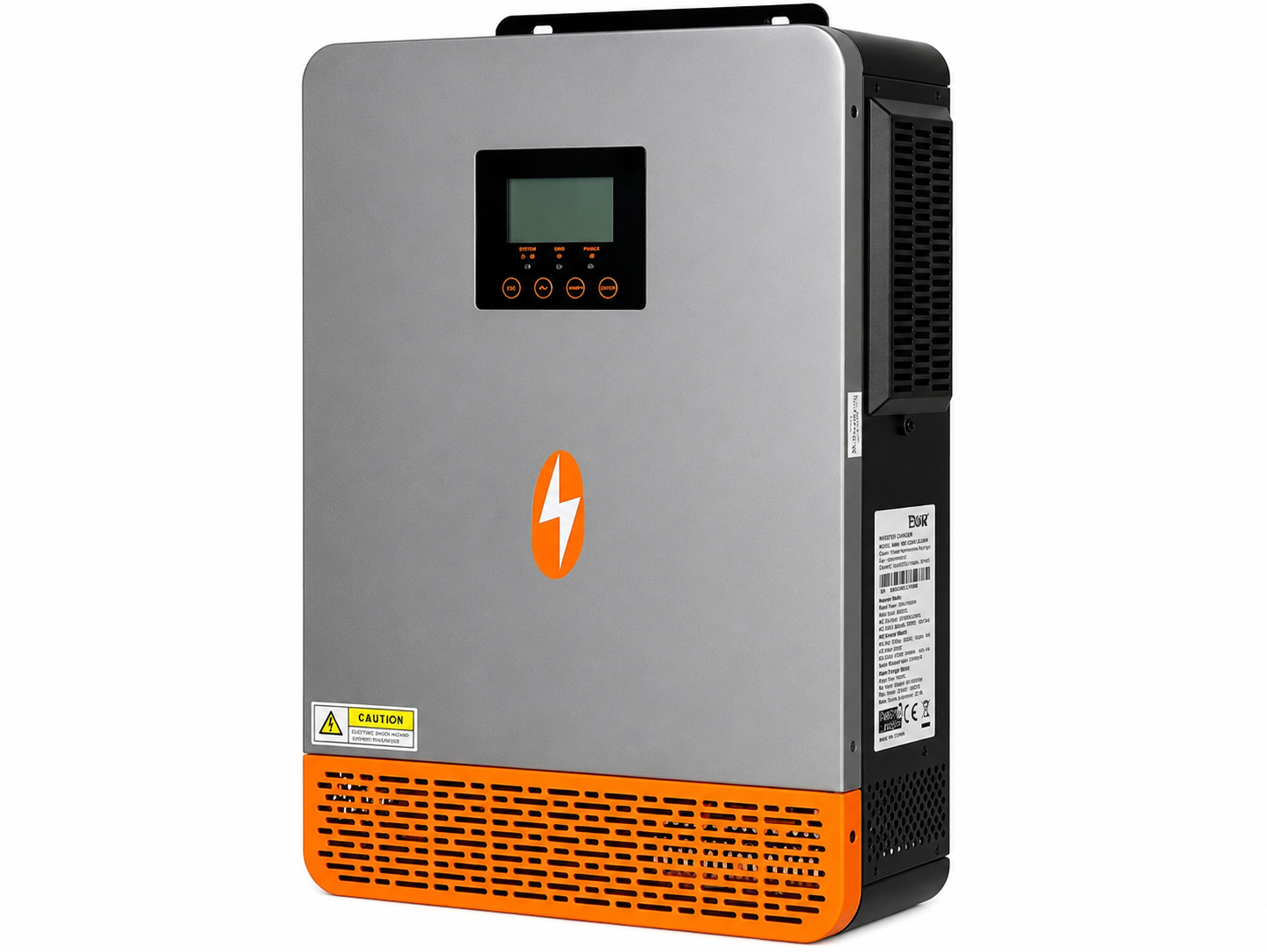
Wall-Mounted Battery Pack
Space-efficient and easy to install. An ideal starting point for essential load protection in environments with a limited footprint.
Ideal for: compact spaces & rapid installation.
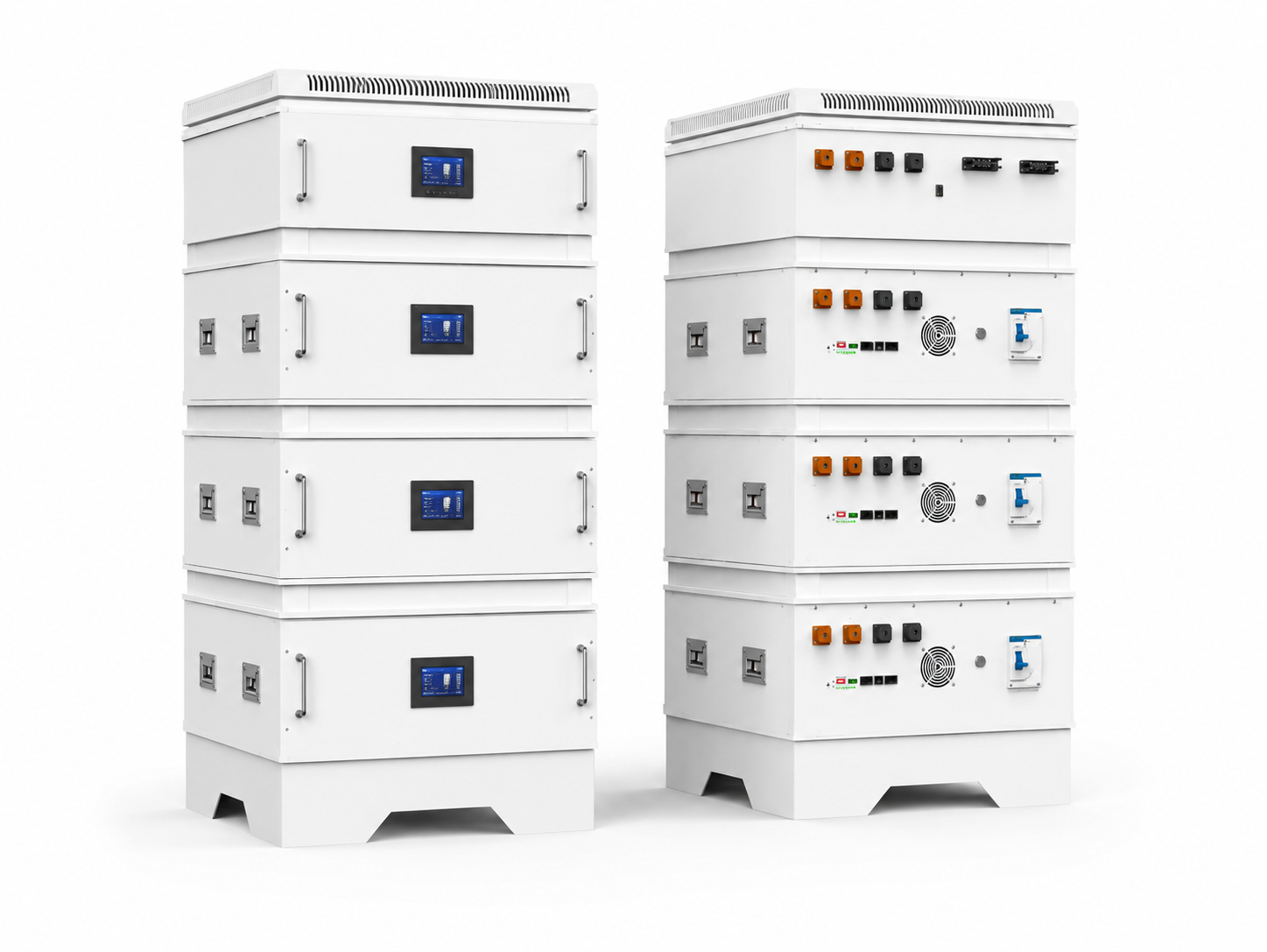
Stacked Storage Battery
Modular architecture designed for effortless scalability. Expand your energy capacity seamlessly as your power requirements grow.
Ideal for: flexible capacity & modular expansion.
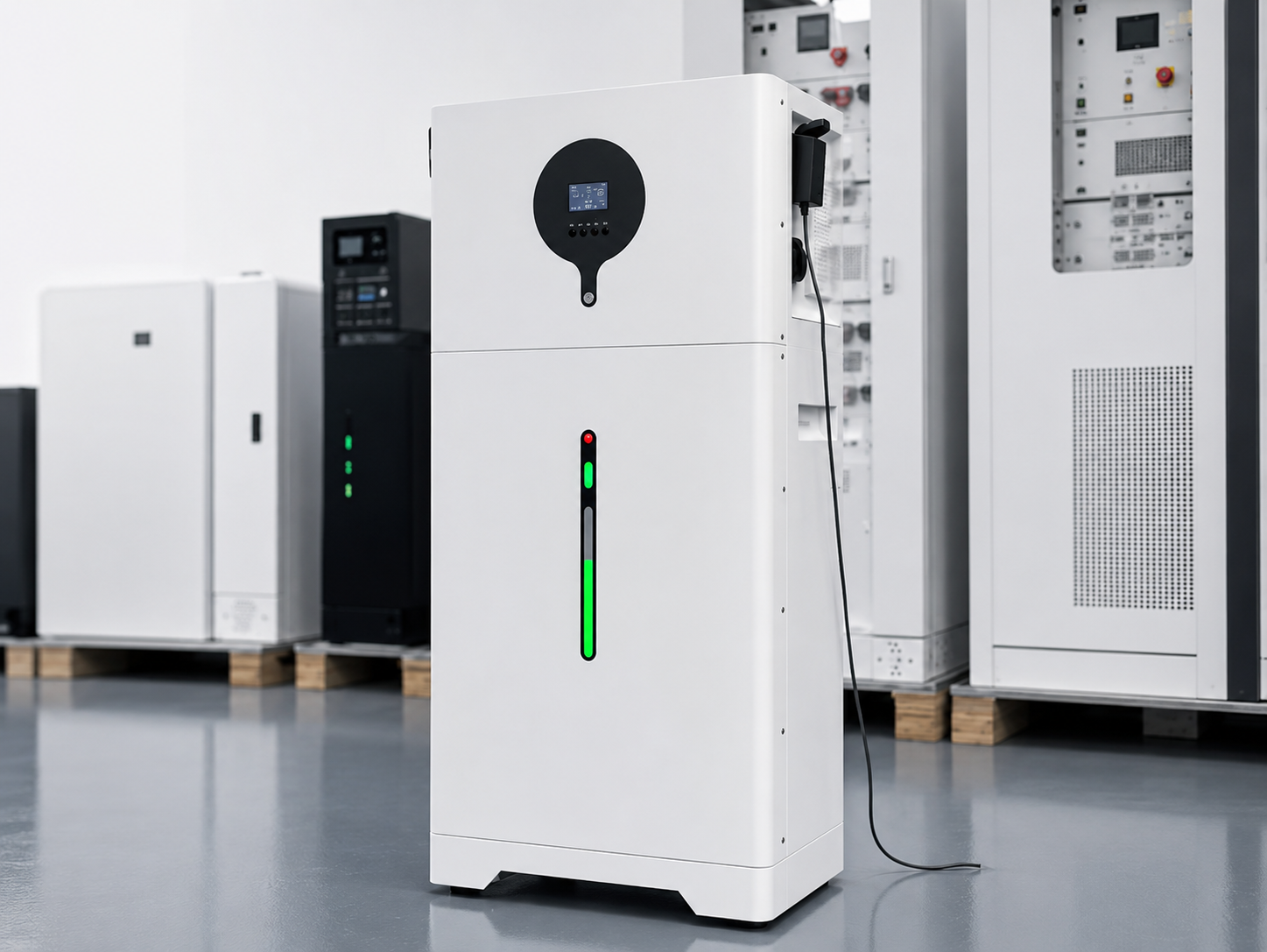
All-in-One Energy Storage
A highly integrated system combining a hybrid inverter and battery modules for plug-and-play deployment and premium aesthetics.
Ideal for: streamlined deployment & unified management.
Why homeowners add solar storage
Capture Wasted Solar
Midday solar is often wasted when the home is using less power. A battery keeps that energy for the evening.
Reliable Backup Layer
Outages interrupt lighting, internet, refrigeration, and other essential loads. Storage gives the home a backup layer.
Practical Sizing
Not every home needs the same size system. A clear capacity ladder keeps the project practical instead of oversized.
System Harmony
Battery and inverter matching should be checked early so the system fits the project from the start.
Compare 5 kWh, 10 kWh, and 15 kWh
| Capacity | Best fit | What to confirm |
|---|---|---|
| 5 kWh | Essential-load backup and compact homes | Load priority, backup hours, inverter match |
| 10 kWh | Most residential projects | Daily usage pattern, backup target, installation space |
| 15 kWh | Larger homes or longer backup windows | Load size, runtime need, future expansion plan |
Choose capacity first, then confirm inverter compatibility and the loads that must stay on during backup.
Where home energy storage fits
-
Home backup during grid outages
-
Solar self-consumption for evening use
-
Whole-home or essential-load backup planning
-
Residential projects that need an expansion path
Planning a larger system?
Discover comprehensive solutions for powering your entire property during extended outages.
Explore Whole-Home Battery BackupWhy this family works well
A clear 5 / 10 / 15 kWh capacity ladder keeps selection simple.
Modular design makes expansion easier as household demand changes.
The battery family is designed to work with energy storage inverters.
R&D, production, and sales are centered in Yangzhou.
Production control and quality management are built into the workflow.
The same product family supports domestic projects and export cooperation.
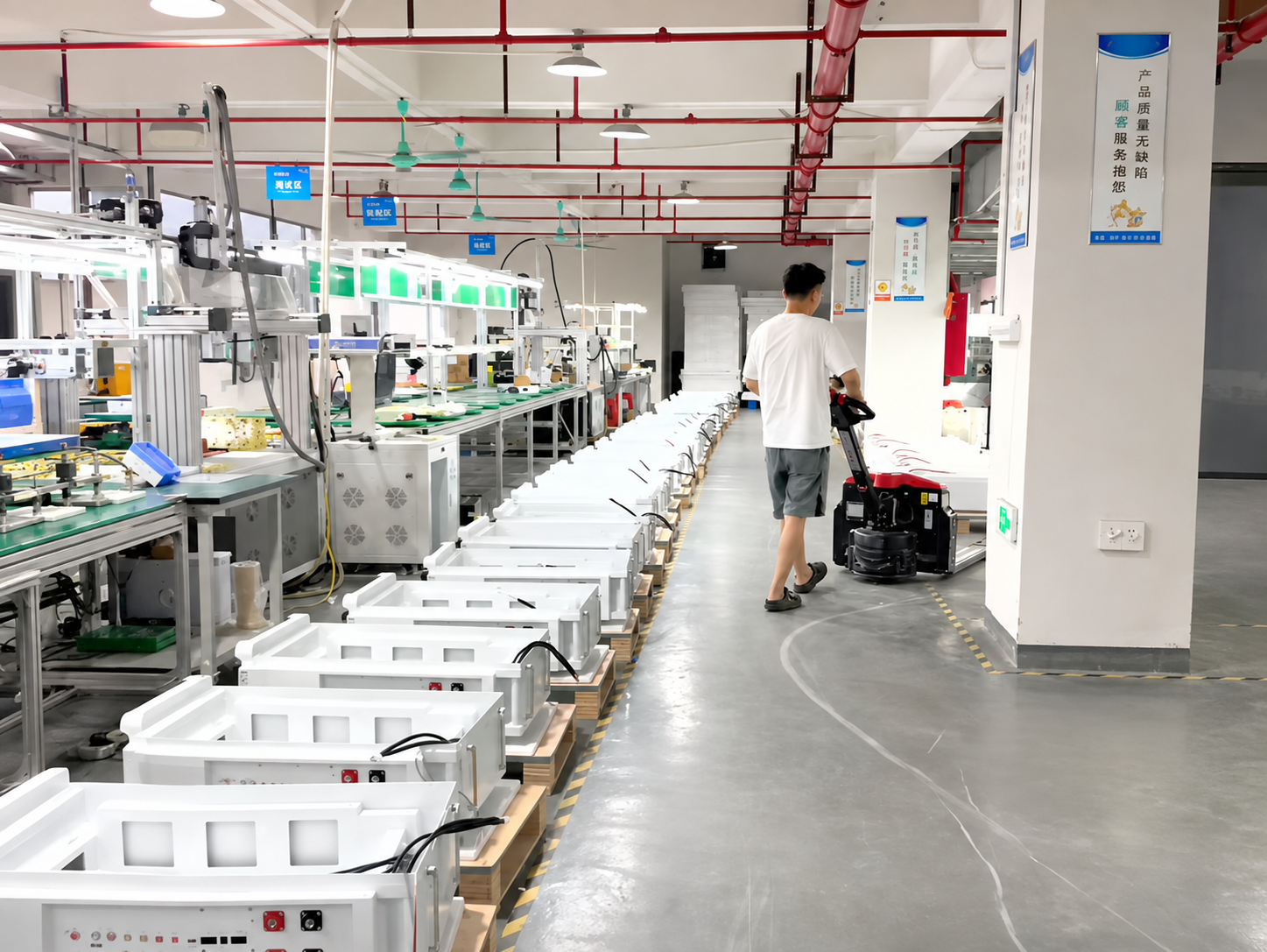
Manufacturing in Yangzhou
Built by a team focused on residential and small commercial energy storage, with R&D, production, and sales in Yangzhou.
Production control and quality management are part of the standard workflow, and the same product family supports both domestic projects and export cooperation.
Frequently Asked Questions
How does home energy storage work?
How do I choose 5 kWh, 10 kWh, or 15 kWh?
What should I confirm before asking for a quote?
Is battery storage better than a generator for home backup?
Start Your Project
Tell us about your home energy storage needs, and our technical team will help you configure the right capacity and components.
Email Us
service@jbrsolar.com
Call Us
+8617751385888
Location
North Industrial Zone 2, Yangzhou City, Jiangsu Province, China